#BlogTour #GuestReviewer Kirsty: Crimson Seige by Jay Raven (Blood Riders Book 1) @purplekizz @rararesources @JayRavenAuthor #CrimsonSeige #BloodRiders

FB_IMG_1534875249057

Good evening everyone I’m handing over to the lovely Kirsty for the last time *sniff* to share her review of Crimson Seige by Jay Raven.  Kirsty has now started her own blog so please do show your support and follow her!

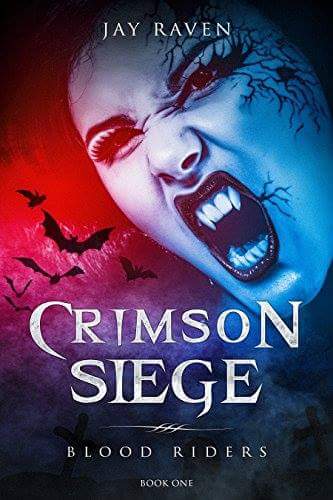
Crimson Seige is available now in ebook and paperback.  The ebook is currently only £1.99.  You can purchase your copy of both here.

Before I share Kirsty’s review with you here is a little bit about the book.

Book Synopsis:

In the Godforsaken badlands of Transylvania the fragile truce between mankind and monsters is about to explode…

When bounty hunters target one of 19th century Europe’s most feared vampire clans, the last place any lawman wants to be is caught in the middle…

But for Anton Yoska, Lord Marshal of the Imperial lands south of the Carpathian Mountains, fate has trapped him in a supernatural stand-off that can end only in a bloodbath.

A gang of mercenaries led by Anton’s former army comrade Milosh Drubrick have captured vampire aristocrat Stefan Modjeski, wanted for a string of frenzied murders, and have come to Anton to claim the reward. And as Stefan’s predatory undead kin lay siege to the jailhouse, Anton is faced with an agonising choice – hand over his prisoner and abandon the bounty hunters to their unspeakable fate, or stand and fight.

The jailhouse defenders are outnumbered and out of options. It’s a battle that can’t be won, certain slaughter for them all, and Anton can’t trust his scheming allies. But Lord Marshal Yoska isn’t about to surrender.

For he’s an experienced vampire hunter, a dangerous man when cornered, and a single minded warrior who knows there are worse things to fear than death…

Kirsty’s Review:

This is a bit of a change of pace for me, I have read many different styles of ‘vampire’ books but most are paranormal romance – this is most definitely not that! This is written in the style of Gothic Horror (think Dracula), I have to say I wouldn’t personally call it horror, I wasn’t kept awake at night and didn’t find it that scary but I did love the writing style and I think Jay Raven has replicated this genre incredibly well. He has also reworked the classic take on the vampire and for the better I think, I enjoyed this ‘new’ version and their abilities.

The book starts with a series of seemingly unrelated events that quickly collide to reveal the bigger story at play. And what a cast of characters to play it out! There are constant power plays going on between them and you’re never sure who is going to come out on top. The characters are pretty much all introduced very early on in the book and straight away it is clear there is far more to them than what appears on the surface. Anton was particularly interesting to me, he clearly has a very dark past and glimpses of it are given to you like puzzle pieces, I have to say I didn’t manage to work out the full puzzle, I love that in a book.

I have to say my allegiance to the two waring fractions changed throughout the book. I was never sure who’s side I was one. There is a really interesting conversation around the dining room table, instigated by Pavel (this character I really warmed to), that really made me wonder who the ‘bad guys’ were. Both sides have forged strong alliances either through blood or friendship, so just who is in the wrong?

The tension in the second half of the book really holds you and encourages you to read faster to find out how the whole thing is going to play out. The action is great, it is bloody and gory but not unnecessarily so for this type of book. The story is mostly wrapped up but Jay has left plenty of avenues open for the further books, which I am really looking forward to.

Many thanks to the publishers and Rachel at Rae resources for a copy of the book for an honest review.

About The Author:

FB_IMG_1534875253849

Jay Raven is the author of Gothic chillers and historical horror reminding readers that the past is a dangerous place to venture, full of monsters and murderous men. He blames his fascination with vampires, witches and werewolves on the Hammer Horror films he watched as a teenager, but living in a creepy old house beside a 500-acre wood teeming with bats may have something to do with it.

Social Media Links –
Facebook: https://www.facebook.com/fantasywriterjayraven/
Twitter: @JayRavenAuthor
Website: http://www.jayraven.com

FB_IMG_1534875245106

#BlogTour #Review #Interview: One Thousand Stars And You by Isabelle Broom @Isabelle_Broom @MichaelJBooks @lcnicol #OneThousandStars #5Stars

51ygBUTIA4L

Good morning everyone I’m thrilled to be on the blog tour today for One Thousand Stars And You by the Broom today.  As well as sharing my review I also have a great Q&A with the author for you!

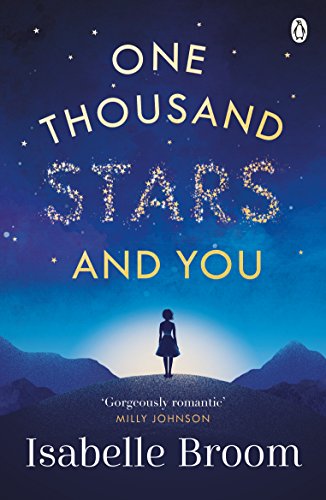
One Thousand Stars And You is published on the 23 August in ebook and paperback.  You can pre-order a copy of both here.

Before I share my review and Q&A with you here is a little bit about the book.

Book Synopsis:

One spark will light up both their lives

Alice is settling down. It might not be the adventurous life she once imagined, but more than anything she wants to make everyone happy – her steady boyfriend, her over-protective mother – even if it means a little part of her will always feel stifled.

Max is shaking things up. After a devastating injury, he is determined to prove himself. To find the man beyond the disability, to escape his smothering family and go on an adventure.

A trip to Sri Lanka is Alice’s last hurrah – her chance to throw herself into the heat, chaos and colour of a place thousands of miles from home.

It’s also the moment she meets Max.

Alice doesn’t know it yet, but her whole life is about to change.

Max doesn’t know it yet, but he’s the one who’s going to change it.

Q&A with Isabelle Broom:

1.) Can you tell us a little bit about yourself?

Oooh, where to start? How about five random facts?
1) Before becoming an author, I had jobs as a barmaid, cinema manager and travel agent – sometimes concurrently.
2) When I was little, I had an obsession with Care Bears and spent hours creating make-believe stories with my big collection of plastic poseables.
3) My signature dance move is the Running Man.
4) I have been in the back of police cars in England, Lanzarote and Zakynthos in Greece, yet have never been arrested…
5) The one thing I couldn’t live without is laughter.

2. What do you do when you are not writing?

So many things! I have a very busy life, which is both a blessing and a curse, depending on what stage I’m at in the writing process. At the moment, I’m freelancing for a magazine in central London, so commuting in from Suffolk every weekday. I’m also midway through the Joe Wicks 90-Day Plan, which involves early morning workouts and late-night batch cooking. I go to as many bookish events as I can, socialise with friends, hang out with my brilliant boyfriend, walk my dog, watch TV dramas, read and review books, keep up with all my social media channels, host competitions, clean my house, look after my plants, plot new books and plan my next big travel adventures.

3. Do you have a day job as well?

I’m a freelance production editor and I’m still heat magazine’s Book Reviews Editor, both of which keep me extremely busy. One of these days, I might feel like a bona-fide full-time author, but I’m not there quite yet.

4. When did you first start writing and when did you finish your first book?

I wrote stories as soon as I could hold a pen, pretty much, but looking back, I wish I had appreciated the full year it took me to write My Map Of You a bit more, because once you sign a contract and have deadlines to meet, you never get that luxury of time back. By the time the edit was done in September 2015, it felt like I’d had a good amount of time with it – about 16 months in total. I dream of having that same generous window of time again.

5. How did you choose the genre you write in?

I messed around with a few genres over the years, but I always came back to stories about people and their relationships with one another. Escapist romantic fiction contains both travel and love – two things that fascinate me – and hopefully that passion comes across in the writing. A wise author bird once told me to write the books that I want to read, and I have never forgotten that piece of advice.

6. Where do you get your ideas?

They can come from anywhere and everywhere. A tiny nib in a local newspaper, a listener ringing in to a radio show, my friends, my family, my relationships, people I happen to meet on trains, planes and buses. There is inspiration in every nook and cranny of the globe – you just have to be willing to look for it.

7. Do you ever experience writer’s block?

I think it’s more inspiration block than actual writing. I’m only human, and sometimes life intrudes and makes it difficult to concentrate – in both a good and bad way. Creative writing sounds like a dream job, and much of the time it is, but there are days when you have to force yourself to sit down and keep on plugging, even though it feels utterly impossible. I would say that having a good schedule and lots of notes helps, as does a quiet place to write. I do much of my work in busy offices or on the train at the moment, which is proving to be rather frustrating.

8. Do you work with an outline, or just write?

I have learned over the course of five novels that it is imperative to have a plan – and the more detailed it is, the better. Structuring can feel like the boring bit if you’re a burgeoning author, but the more of it you do at the start, the less painful your eventual edit will be. Trust me on that!

9. Is there any particular author or book that influenced you in any way either growing up or as an adult?

Jilly Cooper! I read, reread and then read again all her Rutshire novels in my late teens and twenties. In fact, I still read them now. She nails character like no other, and everything about her books and the world she created within them is fun, feisty and fabulous. If I ever write books as clever and brilliant as Jilly’s, I’ll be very happy.

10. Can you tell us about your challenges in getting your first book published?

Behind every debut novel you read, there will be at least two or three more by the same author that never made the grade – and that’s 100 per cent the case with me, too. I made a few attempts at novels and was told “thanks, but no thanks” – but I took all the feedback on board and did my best to learn from my mistakes and improve my craft. The wonderful thing about writing is that the more you do it, the better you become. Nothing you write will ever be a waste, because each completed work is a step towards a proper published novel.

11. Is anything in your book based on real-life experiences or purely all imagination?

There is plenty in all my books that has been based on things that happened, and in One Thousand Stars and You, there are loads. The skydive, for example, is something that I did for the first time earlier this year and knew it would make an amazing scene in a book. I would never have been able to write about an experience like that having not done it, and I remember clearly thinking of how I would put it into words as I plummeted screaming through the air!

12. What was your hardest scene to write?

My second novel, A Year and a Day, was probably the toughest to write. I was going through some stuff in my personal life at the time, and although this meant I could transfer those feelings of helpless despair into the book, it also meant delving deep into my own turmoil to do so. As an author, though, I think it’s important to be courageous and to share as much of yourself as you can. That is the way I write, and hopefully the way I always will. If you have a foundation of absolute truth in your work, you can’t go far wrong.

13. How did you come up with the title?

One Thousand Stars and You was the brainchild of my former editor, Eve Hall (who now works at Hodder & Stoughton). It’s the first title that I haven’t come up with myself, and it’s also by far the best – ha! I’m so grateful to her, because it’s everything I hope the book is: magical, romantic, intriguing…

14. What project are you working on now?

I’m halfway through the first draft my sixth novel, which I can’t say too much about yet, but I can reveal that the setting this time is New Zealand. I was there at the start of this year and it’s honestly the most incredible country. Up there with the best I have ever had the pleasure of exploring.

15. What has been the toughest criticism given to you as an author? What has been the best compliment?

It does get my goat when reviewers accuse me of not visiting the settings of my novels, because I always make sure that I do, and that I undertake thorough research while I’m there. A Google Image search does not an authentic and evocative novel make, and I would never try to imagine what a place was like without actually going there. The best compliment I get is when people choose my settings as their holiday locations, which has happened many times now and feels simply miraculous. Through my little story, they’re able to create a new story of their own. See – magic!

16. Is there anything that you would like to say to your readers and fans?

As always, just a huge THANK YOU for choosing to read my books when there are so many out there. And a promise: that I will continue to write the biggest, boldest and best stories I can, and I won’t stop until my fingers drop off. Or a Running Man-related injury renders me incapable, natch…

My Review:

Ooh I do love Isabelle Broom’s books.  They are always such fantastic summery reads that are a joy to read. I don’t tend to read a lot of women’s fiction but I always make an exception for her books.

The author’s descriptions of Sri Lanka were wonderful and they have definitely made me want to visit there as soon as possible.  I loved traveling through this beautiful country with Alice and her friends and learning more about its sights and history.  The author makes you feel like you are really there experiencing everything alongside the characters which helped make the book a truly delicious read.

The story is told from the point of view of both Alice and Max and it was fascinating to have both sides of the story.  The author does a great job at making these two voices very individual and realistic with Max’s part being typically male at times.  I so enjoyed watching the relationship between these two characters develop and found myself willing them to get together as I thought they would be good for each other.  It was great to see how they rubbed off on one another and helped each other especially as they’d both experienced trauma of some kind.

This is a fantastic story that is easy to get immersed and lose a few hours or more in.  The story flows beautifully and the love story between Alice and Max, along with the group’s exploration of the Island ensures that the book is hard to put down.

This is Isabelle Broom’s 5th book and I can’t wait to read more from her.  Huge thanks to Laura Nicol and Michael St Joseph for my copy of this book and for inviting me onto the blog tour.  If you like wonderful feel good books that just transport you to another country then you’ll love this book.

About The Author:

81jUsBiU7vL._SY200_

Isabelle Broom was born in Cambridge nine days before the 1980s began and studied Media Arts in London before joining the ranks at Heat magazine, where she remains the Book Reviews editor. Always happiest when she is off on an adventure, Isabelle now travels all over the world seeking out settings for her novels, as well as making the annual pilgrimage to her true home – the Greek island of Zakynthos. Currently based in Suffolk, where she shares a cottage with her dog Max and approximately 467 spiders, Isabelle fits her writing around a busy freelance career and tries her best not to be crushed to oblivion under her ever-growing pile of to-be-read books.

IMG_20180821_075912

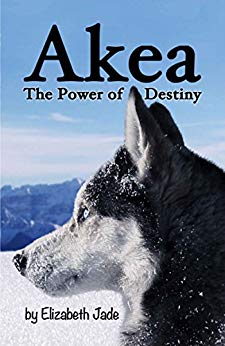
#BlogTour#GuestReview by Kirsty Akea: The Power of Destiny by Elizabeth Jade @purplekizz @rararesources #Akea #ChildrensFiction

51Ye00ytCZL._SY346_

Good morning I’m thrilled to be handing over the reigns to Kirsty again for her review of Akea: The Power of Destiny by Elizabeth Jade.  This is Kirsty’s second to last review for my blog as she has recently set up her own blog, The Midnight Reviewer.  Do go check out her new blog http://themidnightreview.co.uk/wp/

Akea is available to buy in ebook and paperback now, purchase your copy here.

Before I share Kirsty’s review with you here is a little bit about the book.

Book Synopsis:

Akea is born into a family of sled dogs and a life that follows a predictable path, but from the day she first sees the lone wolf, Kazakh, Akea knows her future lies beyond the safety of her home. Kazakh is well aware of Akea’s destiny and the pack laws he will break to help her reach it. Regardless of the challenges ahead, he must make sure this young husky will be ready, even if it means his life.

Kirsty’s Review:

I am reviewing todays book with my 7 year old son, I would say that this book is about perfect for this age group. He said the first page was marvelous, I can see what he means. The book starts with some lovely descriptions of the area in which the Husky’s live. It really paints a vivid picture in the readers mind.

The story is told from the points of view of the Husky’s and wolves which added an interesting element. My son did struggle with the names though (so did I if I’m honest), I know it was done for authenticity so I wouldn’t change it – it was just a little complicated.

The story moved along at a good pace which is perfect for children, as we know, holding their attention isn’t always easy. The chapters are just about the perfect length, emerging readers can manage them without tiring. The book also dealt with some difficult themes which made for some interesting discussions.

This was a lovely book, many thanks to Rachel at Rachel’s random resources and the publisher for giving me a copy to review.

About The Author:

71hKKX1nZFL._SY200_

Elizabeth Jade was born in North Yorkshire in 1998 and moved with her family to Somerset when she was very young. She was homeschooled from the age of 7, but only recently discovered that her struggles in school were due to Aspergers. She stumbled into writing at the age of 14 when she began to struggle with depression and anxiety and quickly found her story ideas pouring out faster than she could get them onto paper. She has always had a passion for animals and has volunteered at various rescues, so it seemed only natural that her stories would revolve around them. With further adventures for Akea already written in her head, a wonderful journey is set to unfold for both reader and author alike.

“I don’t write stories, ” she says, “I just put a bunch of words onto paper and the characters do the rest. Plot twists are never planned, they just happen. If you let your imagination run riot, trust me, you’ll be surprised at the result – I always am.”

FB_IMG_1534705764459

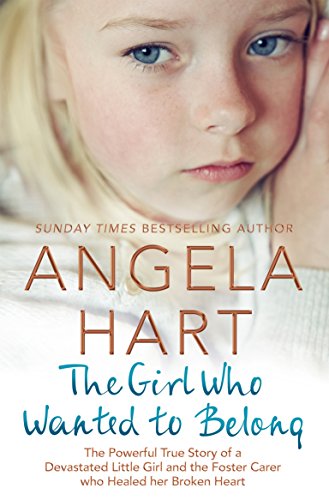
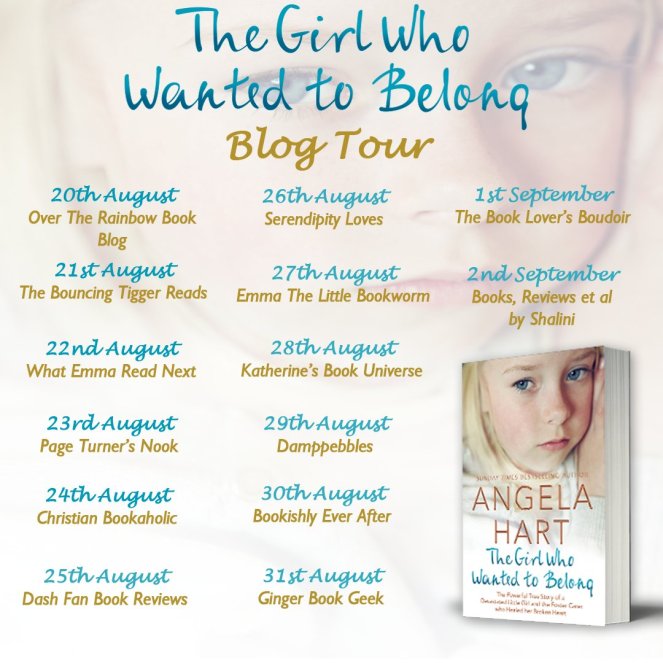
#BlogTour #Extract: The Girl Who Wanted To Belong by Angela Hart @booksbybluebird @DonShanaha #TrueStory

51ofOizN97L

Book Synopsis:

Lucy is eight years old and ends up in foster care after being abandoned by her mum and kicked out by her new stepmother. Two aunties and then her elderly grandmother take her in but it seems nobody can cope with Lucy’s disruptive behaviour. Social Services hope a stay with experienced foster carer Angela will help Lucy settle down. She misses her dad and three siblings and is desperate for a fresh start back home, but will Lucy ever be able to live in harmony with her stepmother and her stepsister – a girl who was once her best friend at school?

The Girl Who Wanted to Belong is the fifth book from well-loved foster carer and Sunday Times bestselling author Angela Hart. A true story that shares the tale of one of the many children she has fostered over the years. Angela’s stories show the difference that quiet care, a watchful eye and sympathetic ear can make to those children whose upbringing has been less fortunate than others.

Extract:

Part 1
1
‘So many questions!’
‘That’s wonderful!’ Jess exclaimed. ‘I’ll let the social worker know right away. Thanks so much. This is great news for Lucy. Please thank Jonathan from me. What would I do without you two? I shudder to think!’

Jess had been our support social worker for some time and we’d got to know each other well. She was a good ten years younger than my husband Jonathan and me – we were in our
forties now – yet Jess always seemed wise beyond her years. She was extremely efficient at her job and had a way of always saying the right thing, even when she was completely
snowed under with work.
‘Thanks, Jess. We look forward to meeting Lucy. It’ll be nice to have another little girl in the house.’

‘Lucy’s very fortunate,’ Jess replied, sounding relieved. ‘I think you are the ideal foster
carers for her. Let me make the arrangements and I’ll call you back as soon as I can.  Hopefully we’ll get her to you tomorrow. Is that OK?’

‘Perfect.’ When I put the phone down I felt supported and appreciated, just as I always did after talking to Jess. I was also excited, apprehensive and slightly nervous about meeting our new arrival. To this day those emotions still collide whenever a new child is due to start a
placement. I love the sense of anticipation, wondering what the child will be like, how we will get along and how we will be able to help. I immediately start thinking about how to make him or her welcome when they turn up at our door; I want them to feel comfortable from the moment they arrive, although that’s not always possible. No child comes to us without issues and I always have underlying worries about what state they will be in, what problems we may need to deal with and whether or not we really will be the right foster carers for the job.

Lucy had recently turned eight years old and Jess had explained to me on the phone that she was described by family members as being ‘disruptive’, ‘aggressive’, ‘belligerent’ and ‘totally impossible to live with’. She had support in the classroom, which suggested she had some special educational needs, but there were no further details. Her mum was off the scene – Jess didn’t know the details – and Lucy was left with her father, two brothers and her little sister. Problems started when her dad moved his new partner and her young daughter into the family home. Lucy clashed with her ‘stepmother’ so badly she was sent to live with two different aunties, miles out of town. They either didn’t want her or couldn’t cope and so Lucy was packed off to stay with her elderly grandmother who lived even further away, in a different county. Lucy had missed a lot of school during this period and it was her struggling gran who had reluctantly called Social Services, asking for help after finding herself unable to cope.

Jess also told me that Lucy’s placement would be short term. The little girl missed her daddy and siblings and desperately wanted to go home, despite the issues she had with her new stepmother. It would be our job to help integrate Lucy back into the family unit. Her father and stepmother and possibly some of the children would be given support in the form of family counselling, to help pave the way for Lucy’s return. Lucy would see a psychologist and also take part in group family therapy. It was expected the whole process would take two or three months, although understandably nothing was set in stone.

Jonathan and I are well used to taking in children at short notice and not knowing how long they will be staying. We’d been fostering for more than a decade at this point in time. We’d looked after dozens of kids and many had come to us as emergency cases, at even shorter notice than Lucy. I was delighted we could offer Lucy a home, and as soon as I’d finished talking to Jess I went to sort out a bedroom for her, to make sure she would feel as
welcome as possible.

The following day Lucy arrived with a social worker called Brian. I was standing on the pavement in front of our florist shop, helping to take in the last of the displays, when they pulled up in a bright red Mini. To my amusement Brian looked exactly like Rowan Atkinson; the likeness was uncanny. As he got out of the car and shook my hand I thought to myself, I’m glad his car’s not green or I’d have thought Mr Bean had arrived!

‘May I present Lucy,’ Brian said very brightly as the small and very slender little girl climbed out of the back of the car.

I was struck by Brian’s energy. He had collected Lucy from her grandmother’s house, which I’d been alarmed to discover was more than a hundred miles away. He must have been driving for hours and it was a Friday too and so the traffic can’t have been great, especially in the afternoon rush. Nevertheless, Brian was all smiles and looked as fresh as a daisy. Lucy
appeared remarkably bright in the circumstances too. She gave me a broad grin and said hello enthusiastically, which I was very pleased about. As she smiled I noticed she’d lost her two
front teeth; her adult teeth were just starting to push through the top gum. Lucy looked very young for her age and she could have passed for a child of seven or maybe even six. She was very pretty, with bright blue eyes, a sprinkling of pale freckles on her nose and beautiful honey-blonde hair that framed her little face and bounced on her shoulders. I grinned back at her, thinking how appealing she looked and how friendly she seemed. It was almost as if she’d come for a social visit, rather than arriving for a foster care placement, which was very heartening to see.

‘I’m Angela. It’s lovely to meet you Lucy. Come and meet my husband Jonathan, he’s in the shop.’

‘Is this your shop?’

‘Yes. It’s a family business. We’ve been running it for a very long time. My mum ran it before us. You’ll meet her soon enough, I’m sure.’

‘I thought you were just foster carers. Wow! Do you own all these flowers? What’s your mum’s name? Where does she live? Does she live with you as well?’

Lucy was standing in the middle of the shop now, taking everything in, her eyes darting everywhere.

‘So many questions!’ my husband said cheerfully, stepping from behind the counter. ‘Hello Lucy, I’m Jonathan. Very pleased to meet you.’

She said hello politely and I introduced Jonathan to Brian. ‘Decent journey?’ Jonathan asked.

Before Brian could answer Lucy was off again. ‘What do you do with all the flowers you don’t sell? Where do you grow them all? You must have a big garden. Who does the gardening? I like gardening. Have you got flowers in your house? Do you have to water them all? Does it take ages? It must take ages. What’s this stuff for?’

‘We try not to have too many flowers we don’t sell, but if we do have any going past their sell-by date we often put them in the house, so we can enjoy them. Jonathan goes to collect them from the wholesalers, we do have a garden, but we don’t grow any of the flowers for the
shop. Yes, they all need watering, and that green foamy stuff is for making flower arrangements. It’s called oasis and it helps the flowers stand up and stay in place. You push the stalks into it, to keep them upright. Does that answer your questions?’

‘Er . . . I think so.’

‘My mum’s called Thelma, by the way,’ I said. ‘She lives nearby and she loves to meet all the children who stay with us. She babysits for us sometimes.’

‘Oh! Do you have a baby?’

‘No, I mean she looks after the children we foster for us sometimes.’

Lucy nodded and seemed to approve. ‘I like the smell in here. Can I help you? I’d love to work in a shop!’

‘Indeed you can, but not right now,’ Jonathan said. ‘We’re about to shut up for the evening and you must be tired after all that travelling. Let’s go through to the house.’

We left our assistant Barbara to finish closing the shop. She’d been working with us for many years and was well used to seeing different children coming and going.

‘I’ll see you again soon, by the sound of it,’ Barbara said kindly, and Lucy gave her a smile.

Jonathan and I led Lucy and Brian through the storeroom at the back and into our adjoining town house. Her eyes were everywhere still and she continued to ask lots ofquestions. I glanced at Brian, thinking, I wonder if he’s had this for hours on end in the car? That man deserves a medal!

‘Do you have children?’ Lucy asked, looking me directly in the eye. ‘Who else lives here with? Do I have to share a room?’

I told her we had another girl living with us called Maria, who was just a little bit older than Lucy. Maria was upstairs in her bedroom and no, Lucy would not have to share a room.

‘We have three floors and your bedroom is on the top floor of the house, next to Maria’s.
I’ve got it all ready for you but I haven’t put the duvet cover or pillow cases on yet as I thought you might like to choose which colour set you want.’

‘OK. Thanks. Have your own children left home?’

‘No, we don’t have children of our own.’
‘Oh.’ She narrowed her eyes. ‘Is Maria adopted?’
‘No, we are fostering her too, just like you.’
‘Oh. Do you like fostering then?’

We went into the kitchen and as Lucy and I continued to chat – or should I say Lucy continued to interview me! Jonathan fetched everyone a glass of water. It was an unusually warm, sunny day in early spring and Brian said he needed a cold drink after driving for so
long in the heat.

‘Thirsty work, wasn’t it Lucy?’ he said jovially, which made Lucy burst out laughing.  There was obviously an in-joke going on here, but they didn’t elaborate.

Lucy carried on quizzing me and Brian tactfully took the opportunity to run through the routine paperwork with Jonathan, talking quietly on the other side of the kitchen. By now Lucy had moved on to ask me lots of questions about our garden and what was in the shed she could see from our kitchen window. I was happy to keep chatting while Brian went through the formalities, handing over all the usual forms with contact numbers on, emergency Social Services numbers and so on. Sometimes kids sit in silence during this initial handover, which is never ideal and always makes me feel uncomfortable.

Brian didn’t have a great deal of background information on Lucy. This is not uncommon on the first day of a placement, and Lucy had never been in care before so there were no old
records on file. In any case, Brian was not Lucy’s actual social worker and had simply been drafted in to transport her to our house as he was based in the county where her grandmother
lived. She would be assigned a social worker from the area her parents lived in as soon as possible.

As they filled in the paperwork Brian told Jonathan that he stopped for a cup of tea with Lucy’s grandmother. ‘She seems like a lovely, sweet old lady,’ he said. ‘She told me she’s very sorry she’s had to get Social Services involved and wishes she could care for Lucy herself, but she’s too old and frail. I felt sorry for her, to tell the truth. I told her she’d done the right thing.’ Brian was aware of the fact Lucy schooling had been disrupted with all the moves she done between relatives’ houses.

‘Do you happen to know how much school she’s missed?’ Jonathan asked.

‘All in all I reckon she’s missed about half a term from what she’s said, but don’t quote me on that.’

‘I see. I don’t suppose you know if she’s statemented? Our support social worker
mentioned she had help in the classroom. Was anything said to you along those lines?’

‘Nothing official, but Lucy told me she always had a lady helping her in her old school, so I guess she must be.’

‘OK. That’s good to hear. Hopefully it won’t be too difficult to find her a school place here.’

If a child has special needs and is statemented it generally makes it easier for us to secure them a school place, particularly at short notice. This is because schools receive extra funding
for statemented children, from the local education authority (LEA), which makes it easier for the head teachers to provide the extra support the child will need. I reckoned it would take over an hour to get Lucy to her old school, near her family home. It wasn’t feasible for her to return there while she was living with us and so we’d have to get her a local place. We’d make this a priority, as we always do.

After Brian had completed his handover he said he’d pop back out to his car to fetch Lucy’s bags from the boot. She’d carried one small rucksack in herself and I had assumed that was all she had with her, as a lot of kids arrive with very few belongings.

‘Oh, I forgot about my bags,’ she said. ‘I’ll come and help you.’

‘There’s no need, Lucy. You stay here. Won’t take me a minute.’

‘But you know I like to help!’
The two of them started to laugh again. Brian then explained that Lucy had insisted on ‘helping’ when they stopped at a service station and bought cold drinks earlier in the day. Lucy had offered to hold Brian’s drink but then decided to stand the cup on the bonnet of the Mini while she fastened up the Velcro on her trainers. Brian didn’t notice what she’d done and then Lucy got distracted and forgot all about the drink. The upshot was that Brian began
to drive away with the full cup still on the bonnet of the car. Luckily he spotted the drink before it toppled over and they had evidently both had a good laugh about it.

‘I don’t need any more help,’ Brian teased, which made me realise why his ‘thirsty work’ comment had made Lucy laugh so much a few minutes earlier. ‘Leave the bags to me,’ he said jovially. ‘I can manage perfectly well on my own, thank you very much!’

It was great to see that Lucy had a sense of humour and seemed so at ease. I thought Brian had done a fabulous job in delivering her to us in this frame of mind. So many children arrive at our door looking miserable, nervous or even angry and hostile. Often it takes days to raise the faintest smile, let alone a laugh like this. Lucy was as relaxed as I think a child could be in a situation like this.

Brian fetched two sports holdalls from the car and then stayed and made chit-chat for a few more minutes, telling a very funny story about how he once drove for miles through France with his sunglasses on the roof of his car. When he left Lucy wanted to go outside and
wave him off, and she asked if she would ever see him again. Unfortunately she wouldn’t, I explained, telling her that she would be assigned her own social worker, from the county she came from.

‘Oh well,’ she said. ‘I liked Brian. If I have to have a social worker I hope mine is as nice as him. Why do I have to have a social worker?’

I explained in simple terms why she needed as social worker while we watched the Mini disappear around the corner, Brian’s head millimetres from the roof. Lucy laughed. ‘He’s funnier than Mr Bean!’

Now it was my turn to laugh, and I told Lucy I thought she was spot on about that.

Jonathan carried the holdalls upstairs and Lucy and I followed. I explained the layout of our house as we climbed the two flights of stairs and I told her about a few house rules.

‘OK,’ she said thoughtfully before launching into another round of questioning. ‘But why can’t you have food in the bedroom? Why do people take their shoes off in the hall? Why do
I need to ask before I help myself to food from the kitchen? Why . . .’ She went on and on, wanting to get to the bottom of every single rule I had in place. I explained how the rules were simply designed to keep the house clean, safe and tidy, and the people in it healthy and as well cared for as possible.

‘Oh, I thought you’d just made them up to show who’s boss,’ Lucy said seriously.

‘No, I wouldn’t do that. I want everyone to be happy and comfortable and safe. That’s the point of the rules. It’s not about showing who’s boss.’

‘Some people would do that.’
‘Some people would?’
‘Some people would just make up rules to wind other people up and be bossy! That’s all I’m saying. Some people are nasty like that.’ Lucy buttoned her lips and said no more and I didn’t press her. Usually children take many weeks, if not months and sometimes even years
to get things off their chest. There was no way of telling when Lucy might make any disclosures that might help us to understand what had gone wrong at home. We’d just have to wait and see, and let her take things at her pace. I hoped her openness and willingness to
communicate boded well, however. I had a feeling she was going to be very talkative about her family and her past when she was good and ready, if not with me then with the specialists who were going to provide family therapy and counselling.

The ultimate aim was to iron out whatever difficulties Lucy had experienced at home and
move her back in with her family. It was what she desperately wanted, and I wanted to help
her in any way I could.

About The Author:

I live in England with my husband Jonathan. We met at a village dance when we were teenagers in the seventies, and shortly afterwards we both moved away from our home town for work. I loved the bright lights of the city, and my demanding job in a bank. We stayed for ten years before returning home to take over the family floristry business from my parents.

One day an advert in the local paper caught my eye: ‘Foster Carers Wanted’. I knew straight away it was something I’d love to do. As a child I had a friend whose family took in foster children and I had often asked my mother if we could do the same, but she always said she wasn’t cut out for it, and didn’t have the patience. After living a fast-paced life I felt I could easily manage to sell flowers and care for youngsters. Having a family was something Jonathan and I planned for the future; surely fostering was just like bringing up your own children, if not easier?

Looking back, I was incredibly naïve. I was convinced fostering kids would be like caring for flowers: if we provided the right environment, nourished the children well and treated them with love and respect, everything would be rosy. We could foster for a few years, and maybe even carry on when we started our own family. Of course, it wasn’t like that at all! Each child had a unique set of problems, some incredibly sad, others very shocking. We found ourselves immersed in a care system we knew nothing about, yet soon found impossible to leave.

I thrived on the challenges and rewards of being a foster carer, went on to train as a specialist carer for teenagers with complex needs, and have never looked back. Jonathan and I have fostered more than fifty children over the past twenty-seven years. I hope you will enjoy reading about some of the wonderful children we have been privileged to have in our lives.
 

IMG_20180819_193910

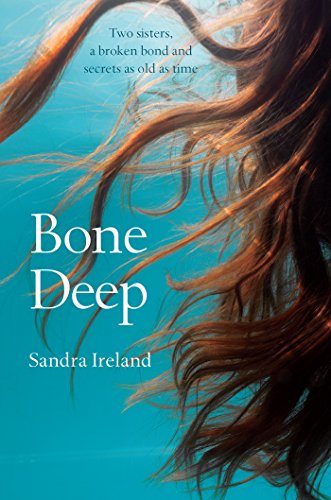
#BlogTour: Bone Deep by Sandra Ireland @22_ireland @PolygonBooks @LoveBooksGroup #BoneDeep

51GF24NGG5L


Good morning everyone I’m excited to be on the blog tour for Bone Deep by Sandra Ireland today and have a fantastic interview with the author to share with you.

Bone Deep is available now in ebook and paperback, purchase your copy here.

Before I share my interview with you here is a little bit about the book.

Book Synopsis:

What happens when you fall in love with the wrong person?

The consequences threaten to be far-reaching and potentially deadly. Bone Deep is a contemporary novel of sibling rivalry, love, betrayal and murder. It is a dual narrative, told in alternative chapters by Mac, a woman bent on keeping the secrets of the past from her only son, and the enigmatic Lucie, whose own past is something of a closed book. Their story is underpinned by the creaking presence of an abandoned water mill, and haunted by the local legend of two long-dead sisters, themselves rivals in love, and ready to point an accusing finger from the pages of history.

Author Interview:

1. Can you tell us a little bit about yourself?

BONE DEEP is my second novel. My debut, BENEATH THE SKIN was published after I graduated with an MLitt in Writing Practice and Study at the University of Dundee. I went back to higher education later in life, but not too late! I have two sons, both grown up, so this is my time. I’m doing all the things I missed out on first time around, and that includes being a novelist!

2. What do you do when you are not writing?

I live right beside to beach in Carnoustie, on the east coast of Scotland, so I do a lot of walking. I also enjoy yoga and I have been known to go to the gym, but not on a regular basis! I like reading and drawing, and I’m very partial to a bit of live music, especially traditional or Country.

3. Do you have a day job as well?

I work one day a week in my local ironmongers. It’s a fabulous shop, real old school with some very quirky customers. I consider it research! It gets me out of the house, which is a good thing. I also teach creative writing in various settings from my local café to the University of Dundee. Along with two of my writing buddies, Dawn Geddes and Elizabeth Frattaroli, I run Chasing Time Writing Retreats, which offers tutored weekends for time-poor authors. (https://chasingtimescotland.wordpress.com) I also do some editing and online courses.

4. When did you first start writing and when did you finish your first book?

I was always an avid reader as a child, and writing seemed to be a natural progression. I wrote as a teenager too, but was so embarrassed by it I hid my stories under the bed. It was only when I was in my forties that I realised my mum had known about my habit all along! In 2006 she encouraged me to apply for a correspondent’s job on my local paper, and I enjoyed that for a while. Fiction is more fun that real life, so I soon changed tack and started writing a novel. I went back to full time education as a mature student, and that’s when I discovered the wonderful creative writing department at the University of Dundee.

5. How did you choose the genre you write in?

I think the genre found me! I seem to do dark and twisty very well, and I’ve made a conscious decision to move more towards crime. The crime writing community is very supportive, they know how to have fun, and crime sells!

6. Where do you get your ideas?

Usually I have separate ideas (usually stories I hear on the news, my own experiences or folktales) and then I try and link two ideas together.

7.  Do you ever experience writer’s block?

No, I can always write. It may not be very good, but I can always write something! The skill is in the editing.

8. Do you work with an outline, or just write?

No plan for me. It’s a complete waste of time. I’ve tried, but I never stick to it, and anyway part of the beauty of writing is that it is (or should be) organic. If you stick to a plan the writing will never surprise you.

9. Is there any particular author or book that influenced you in any way either growing up or as an adult?

I read the Book of Human Skin by Michelle Lovric several years ago, and that was astonishing. The subject matter, the structure, and the conscious manipulation of the reader was inspiring. It was a new way to write, and it definitely taught me to experiment with my own work.

10. Can you tell us about your challenges in getting your first book published?

Beneath the Skin is my fourth or fifth book. The others will never see the light of day! I think it’s a mistake to rush into publication. Writing is a craft, and you have to learn your craft by making mistakes. As a student of writing, I was more than happy to wait, to receive peer feedback and edit Beneath the Skin thoroughly before submission. I signed up with my agent, Jenny Brown, after pitching the story at an event and was offered a deal by Polygon a few months later. So even though I’d had loads of rejections for my other books, I had high hopes for this one, and my faith was rewarded!

11. Is anything in your book based on real life experiences or purely all imagination?

That would be telling! I think writing is a way of making sense of your emotions and experiences, so it’s inevitable that a little bit of yourself will turn up in your work.

12. What was your hardest scene to write?

I can’t really say without spoilers, but Lucie’s experiences towards the end of the book were really difficult to write…

13. How did you come up with the title?

BONE DEEP refers to the strength of the emotions in the book: love, lust, hate, jealousy- everything is felt very deeply. It’s also a nod to the deep water of the mill pond..

14. What project are you working on now?

I’m working on Novel number 4 now. Number 3, another psychological thriller, set in a scrapyard, is already complete and with my publisher. I’ve also been offered a publishing contract for a forthcoming non-fiction book about mill folklore.

15. What has been the toughest criticism given to you as an author? What has been the best compliment?

I’ve been incredibly lucky in that (so far!) readers have been very nice about my writing! I suppose the greatest compliment was to have Beneath the Skin shortlisted for a Saltire Literary Award, one of Scotland’s top prizes. That was very exciting and a huge confidence boost.

16. Is there anything that you would like to say to your readers and fans?

Thank you so much for all your support. It’s incredibly hard sharing your baby with the world, so thank you for being so kind!

About The Author:

sandra-ireland-1

Sandra Ireland was born in Yorkshire, lived for many years in Limerick, and is now based in Carnoustie. She began her writing career as a correspondent on a local newspaper but quickly realised that fiction is much more intriguing than fact. In 2013 Sandra was awarded a Carnegie-Cameron scholarship to study for an MLitt in Writing Practice and Study at the University of Dundee, graduating with a distinction in 2014. Her work has appeared in various publications and women’s magazines. She is the author of Beneath the Skin(Polygon, 2016).

#BlogTour: A Taste of A Strawberry by Madeleine Additions @MadeleineAdditions #ChildrensBook #RandomThingsTours

FB_IMG_1534542743877.jpg

Book Synopsis:

Tales in Music for children 3 to 7, in English, Chinese, French editions

An innovative concept for raising multilingual, multicultural children.

TALES IN MUSIC: magical books with narration, music, and moving pictures.

Once upon a late spring in Italy, a strawberry farmer’s strawberries grew red and ripe …
A modern fable for ice-cream lovers!

Each Tale in Music is a collaboration between writer, musician, and illustrator, a magic book with beautiful sound and moving pictures. Available in English, Chinese, and French editions, Madeleine Editions help children 3~7 cultivate an ear for languages and a taste for the creative arts during this crucial time in their lives.

Purchase your copy of this book https://itunes.apple.com/us/book/the-taste-of-a-strawberry/id1397830073?mt=11

My Review:

As a parent to two young children, one of whom has just learnt to read I am always a fan of anything that is fun and helps encourage their love of books.

The Taste Of A Strawberry is a collection of fun and innovative stories created to help encourage children to read and to learn a new language.  My kids loved the fun stories and silly songs in the book and it has fast become a firm favourite in our house.

Children benefit hugely through sharing a book with an adult and having the opportunity to read aloud.  This book helps encourage a child’s confidence when reading aloud and helps them to develop listening skills through early exposure to a new language.  The pause at the end of each page is a great touch and gives plenty of opportunity to discuss the book.

This is the first book by Madeleine Editions I have read and I will be be buying some more in the future.  Huge thanks to Anne Cater for inviting me onto the blog tour and for my copy of this book.

FB_IMG_1534542730630

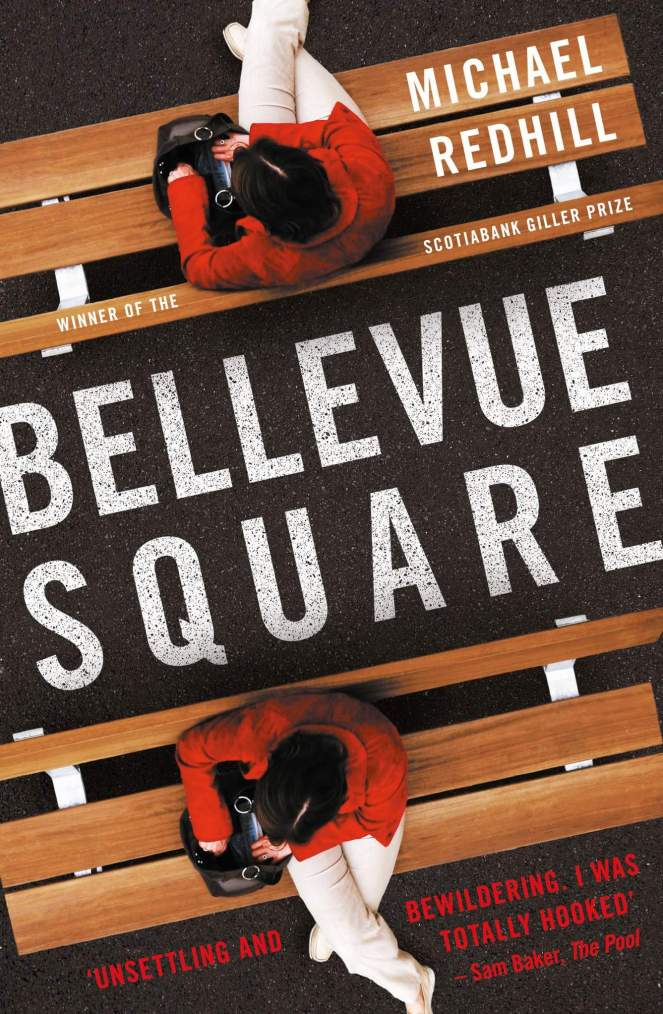
#BlogTour: Bellevue Square by Michael Redhill @stet_that @noexitpress @annecater #BellevueSquare #RandomThingsTours

FB_IMG_1534448887046.jpg

Book Synopsis:

Jean lives in downtown Toronto with her husband and two kids. The proud owner of a thriving bookstore, she doesn’t rattle easily – not like she used to. But after two of her customers insist they’ve seen her double, Jean decides to investigate. Curiosity grows to obsession and soon Jean’s concerns shift from the identity of the woman, to her very own.

Funny, dark and surprising, Bellevue Square takes readers down the existentialist rabbit hole and asks the question: what happens when the sense you’ve made of things stops making sense?

My Review:

Bellevue Square is a very intriguing, original book that was a very interesting read.

Apparently everyone has someone, somewhere who looks like you and I’ve often wondered how I would feel if I came face to face with them.  It must be quite confusing and intriguing to find out what they are like.  This is the dilemma facing Jean when she comes face to face with her double and her initial curiosity turns into obsession as she strives to find out everything about her.

I did like Jean, the main character in the book.  Firstly she has my dreams job of owning her own bookshop but I loved her humour and how much she seemed to care for her customers.  As the book went my opinion of her did change and I began to feel a bit concerned as to what she would do next.  I feel sorry for her as she didn’t seem to happy with who she was and the life she lives.

I must admit I did find this book a little difficult to get into and a tad confusing at first though I quickly got into the story.  This is a gripped read as you are always wondering what Jean is going to do next.  There were times when I simultaneously wanted to continue reading to for our what happens and stop reading as I didn’t watch to know what Helen would do next.

Huge thanks to you Cater for inviting me onto the blog tour and to no exit press for my copy of this book.  If you like unusual, thrilling and unsettling thrillers then you’ll love this book.

About The Author:

FB_IMG_1534448891370

Michael Redhill is an American-born Canadian poet, playwright and novelist. Born in Baltimore, Maryland, Redhill was raised in the metropolitan Toronto, Ontario area.

FB_IMG_1534448881821.jpg

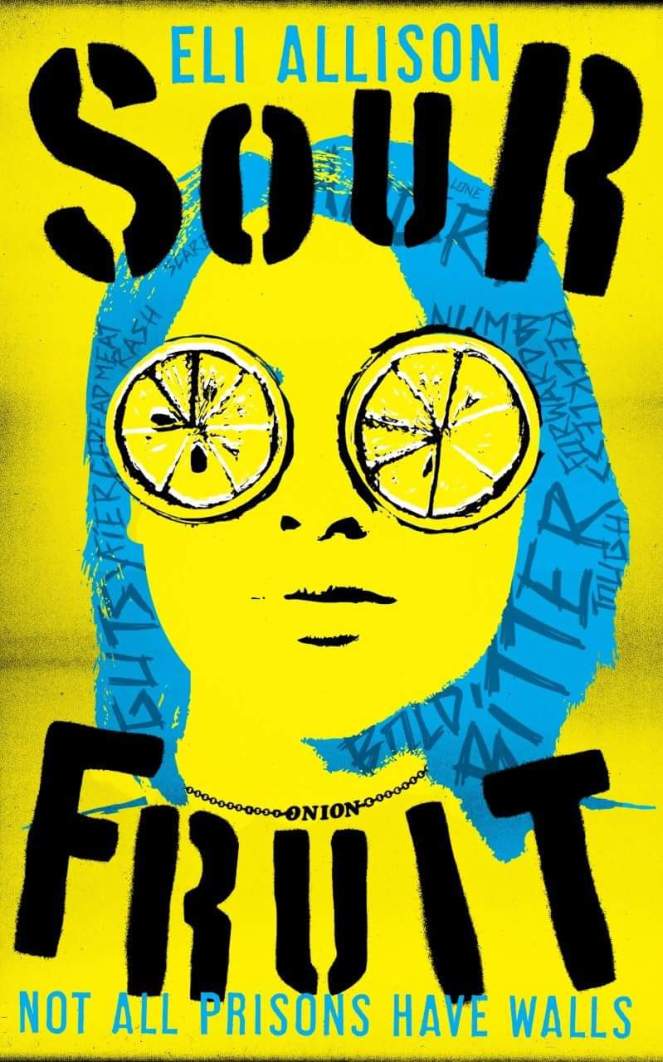
#BlogTour: Sour Fruit by Eli Allison @EliAllison3 @unbounders @annecater #SourFruit #RandomThingsTours

FB_IMG_1534280062162

I’m pleased to be on the blog tour for Sour Fruit by Eli Allison today and to have a great extract to share with you.

Sour Fruit is available to buy now in no ebook here.

Before I share my extract with you here is a little bit about the book.

Book Synopsis:

Onion is snatched. Which is proper shit because she still had nearly twenty quid left on her Angry Slut Teen Clothing gift card and now she was never going to get those flamingo-pink leather chaps she’d been eyeing up. She wakes up chained to an armpit of a river city, earmarked for a skin-trader called The Toymaker. Surrounded by a creeping rot she has just three days to escape before the sold sticker becomes a brand.

Forced into a knife fight with a world that has just pulled an AK47 on her, all Onion has to fight with is; a sewer for a mouth, a rusted up moral compass and a spanking anger that can sucker-punch kindness at twenty paces. She might survive but probably not.

Sour Fruit is a dark dystopian novel set in northern Britain, in a river city called Kingston; a rotting scrap yard of misery. The VOIDs are forced to live there not by walls or fences but by being invisible in the new digital world.

The novel explores ideas about what is home, how friendship can come from strange places and the debts we can’t ever pay back.

Extract:

I know the drill, Doc. Haven’t we been doing this for ever? Shit, when I drag that beat-up memory from the past and prop it up with hindsight… It was all so friggin’ obvious. The scam she had going.
Let’s think. I’d only been at Sunny’s a couple of months, but it was the same setup as all the other care homes. Only difference was the walls were a cold pink instead of a warm one and they served cardboard pizza on a Wednesday instead of a Friday like my old place. But when I think back to it, the home did have a prickle like a burrowing tick. The other kids were pitiful, never whimpering nowt but Ps and Qs, never raising their gazes above their chins. But none of the staff seemed touchy under the covers, so I just took it that they were nervous of me. I can be a smidge wick.
I should have seen it though. All that cheap wealth dripping off her, Old Vera, the head kiddy supervisor; she’d only dress in designers, her fingers always loaded up with trinkets. She had a slashing scalpel of a voice cutting through the skull every room you went into. Crow-barring her rules into every move you made. Permission to shit? To eat? To shit again? Wafting her keycard like poisoned bait. ‘Be good,’ she’d squeal, ‘or else.’
But that night she was more shrill than usual – eyes darting, sweat beading. She swept into our bedroom at ten with her nicotine-stained fingers and bra-less bangers – a whole hour early – to switch the lights off. Said it was because growing ladies needed sleep. Said she had a treat for us tomorrow. Said it was gunna be a real big day. Twat.

But it was the way those other girls, my so-called sisters-in-care, Chats, Saffron, the toothy one I could never remember the name of with the massive arse, all clung to their beds like clams to rock. They knew. They knew and they did nothing. Just one whisper could have saved me.
One minute I was asleep; the next, a hand covered my face. A needle in my neck. The covers twisted between my thighs. I was dragged out of bed. I kicked, fought to get free, grunted for help, but…
The last thing I saw was Chats. Chats who kept dead ladybirds in jars around her bed, who’d tap at the glass with bitten-raw fingernails. Chats who only ever wore eye-itching pink. Chats the silent. I liked her. She just lay there, her eyes carved closed, the drip, drip, drip of piss soaking through her mattress.
I don’t remember being dumped into a black hole but I know it must have happened because that’s where I woke up. Grasping around for my blanket, I was cold, cursing Vera for not switching the heating on. Then the flash of a hand. I screamed. But it was nothing. Nobody was grabbing me… Just a nightmare… It was all OK.
But when I opened my eyes, it wasn’t.
I was blind.
I tore at my eye sockets, begging them to work. But nothing. I tried to sit up, but the floor sprang back. I stumbled. It hadn’t been a dream, the hand, the trailing sheets, the haystack of flesh. It had all been real; I’d been snatched.


About The Author:

FB_IMG_1534280056157

Eli Allison tells people at parties that she’s a writer, but she mostly spends the day in her knickers swearing at the laptop. She has never written anything of any fame except for a jarringly bad poem which was read out loud at her secondary school assembly (the highlight of everyone else’s school year, predictably not her own). She gave up poetry and switched to the hard stuff soon after. Writing stories about crushed dreams and balding men looking for love that you could buy by the hour. Those were her happier ones. She ping-ponged between one depressing job after another until her husband said, `take a year and write your book’. Years later the book is done…There is a sneaking suspicion he would have kept quiet had he known quite how long it would have taken her. She lives in Yorkshire, works in her head and does not enjoy long walks on the beach or anywhere, in fact she gets upset at having to walk to the fridge for cheese. She suffers badly from cheese sweats but endures.

FB_IMG_1534280051739

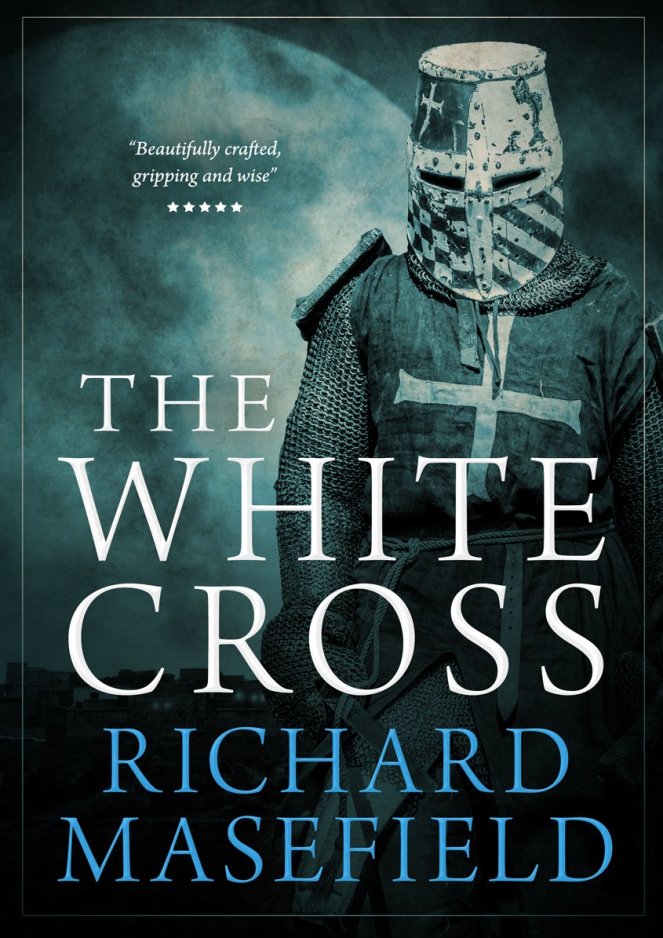
#BlogTour #Extract: The White Cross by Richard Masefield @LoveBooksGroup @RedDoorBooks #TheWhiteCross #HisFic

97819104532542887893296900525124.jpg

I’m very excited to be on the blog tour for The White Cross by Richard Masefield today to have a great a extract to share with you.

The White Cross is available now in ebook and paperback, purchase your copy of the book here.

Before I share my extract with you here is a little bit about the book.

Book Synopsis:

Set in the late twelfth century at the time of King Richard I’s crusade to win back Jerusalem from the Saracens, The White Cross deals with timeless issues – with the moralities of warfare and fundamental religion, the abuse of power, the heights of martial fervour and the depths of disillusionment The writing pulses with life, capturing the sights and sounds, the very smells of medieval life. At the novel’s heart is the relationship between Garon and Elise – the story of an arranged marriage which rapidly develops into something deeper, to challenge a young husband’s strongly held beliefs and set him on a long and painful journey to self-realisation, to break and finally restore a woman’s spirit as she battles for recognition and for justice in a brutal man’s world. And then there is the Berge dal becce; a character who is surely more than he appears? The only way to uncover all the secrets of The White Cross is to read it!

Extract:

PROLOGUS

Fontevraud, Anjou: July 1189
 
ATONEMENT
‘Holy Shit!’
Six startled nuns, their Abbess and the Primate of all England cast up their eyes to cross themselves as the obscenity rings through the Abbey Church.
‘God’s eyes and limbs!’ Duke Richard adds profanely, as stooping to enter the low crypt he clamps his mouth to breathe as little as he can of its polluted air.
Tall candles cast giant shadows across the walls and ceiling of the chamber; five candles to represent the wounds of Christ, with between them on a pinewood
trestle his father’s naked corpse. Henry, the second king of England of that name, has always seemed the kind of man who never would grow old and die. But having
done so anyway is not a pretty sight. From its breastbone to its genitals the old king’s body has been opened like an oyster. Where a proud paunch once rose, a stinking cavity now gapes; and from the buckets on the floor containing his internal organs the stench of putrefaction rises.
For a long moment Duke Richard stares down on his father’s ruin. Henry gutted on a slab, he thinks disgustedly, then turns on the three men whose task he’s interrupted. ‘Cover it,’ he barks at the lay brothers who’ve been charged to purify the royal remains for burial. ‘Cover it and then get
out!’ And fumbling with the foetid buckets, hurrying to drape the corpse in the plain cloak it’s worn for its last journey down from Chinon, the embalmers tread on
each other’s heels to scramble up the narrow stairs.
To leave the live king with the dead one.
‘Stinking vultures! Cringing, shitting little jackals!’ Duke Richard saves the main force of his anger for the old man waiting for him in the abbey nave; a thin, round-
shouldered figure in the black and white pied robe of a Cistercian abbot. ‘God’s teeth, those creatures stink of Henrys entrails!’ The Duke’s metalled boots ring on the flags as he strides forward. ‘They claim the Body Royal is indestructible, yet stink to heaven of his guts!’
‘The bodies of all men from the lowest peasant to the greatest emperor are subject to corruption of the flesh, my son; death comes to all of us in time.’ Archbishop Baldwin of Canterbury turns back his cowl to show the kindly, undernourished face of a committed Christian, its tonsured cranium already freckled with the spots of age.
‘I’m sure the Abbess would have spared you this, if you’d but thought to…’
‘I tried to fold his arms onto his chest, what’s left of it,’ the Duke interrupts him. ‘But they were set. Dear God, I
had to break them, man; and when I looked into his face, his eyeballs moved! I tell you that my father’s eyes moved in his skull and black blood trickled from his nose!’
‘You broke his joints?’ A second shock. But Baldwin
hurries on to tell the Duke that, distressing as they are, such things have no significance. ‘No, none at all.’ He pats the
royal sleeve placatingly. ‘Involuntary emissions are by no means unusual I believe in the embalming process.’
 
2
 
‘My father cursed me on his deathbed. You heard him, Baldwin; the old fox blames me for his fall.’ The Duke spits violently and with a hand that trembles, wipes the spittle
from his tawny beard. ‘By Christ, if I know aught of Henry he’s cursing me from the road down to hell!’ Which maybe isn’t so far from the mark, the old archbishop thinks, remembering how desperately the
son and father fought each other for control of Aquitaine; how Richard leagued with France and his own brother, John, to wrestle from King Henry an empire
great as Charlemagne’s – to leave the poor man in the end with only England and six foot of soil at Fontevraud in which to lay his bones. No, when it comes to treachery there isn’t anyone more dangerous to kings than their own relatives, Baldwin tells himself; and how could anyone, and least
of all the man before him, forget King Henry’s frightful deathbed malediction:
‘I curse the day that I was born! I curse my devil’s brood of sons! I call on Heaven to curse Richard’s soul! May God and all His saints deny it its eternal rest until I
am avenged!’ ‘My son, it is from recognition of our sins and our imperfect nature that we achieve enlightenment,’
Baldwin says aloud with a deliberately disarming smile. Which rather brings us to the point, he dares to think; a princely penitent, a priest and a religious house – the three conspire. Now is the time and place for Richard to repent his sins, recant his shocking oaths on God’s anatomies, and kneel before me in a state of true
contrition.


About The Author:

Richard Masefield comes from a family of writers – John Masefield was his cousin – and with a love of animals and the outdoors he decided at a young age that he would farm and write, if necessary both at once. It took years of hard work before Richard could realise his dream, and in fact his first published novel was written while milking a herd of Friesian cows. He still lives on his farm in Sussex with his wife Lee and together they spend as much time as possible with their large family of children and grandchildren.

white-cross.jpg

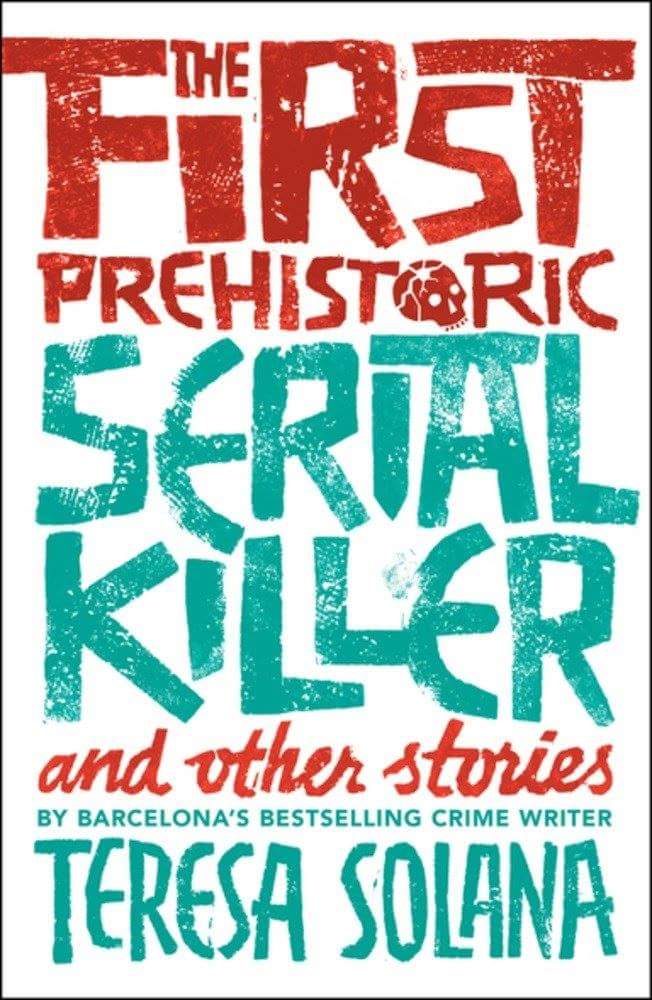
#BlogTour: The First Prehistoric Serial Killer by Teresa Solana @TeresaSolana1 @bitterlemonpub @annecater #ShortStories #RandomThingsTours

FB_IMG_1534196195000

Book Synopsis:

An impressive and very funny collection of stories by Teresa Solana but the fun is very dark indeed. The oddest things happen. Statues decompose and stink out galleries, two old grandmothers are vengeful killers, a prehistoric detective on the verge of becoming the first religious charlatan trails a triple murder that is threatening cave life as the early innocents knew it. The collection also includes a sparkling web of Barcelona stories–connected by two criminal acts–that allows Solana to explore the darker side of different parts of the city and their seedier inhabitants.

My Review:

Firstly I have to say I don’t read an awful lot of short stories but found the blurb for this book very intriguing. I wasn’t disappointed as The First Prehistoric Serial Killer is a selection of very original, dark yet funny stories that I thoroughly enjoyed.

There wasn’t any connection between the stories but that wasn’t confusing as each story in brilliantly told and developed so the reader soon let’s go of any previous stories or characters.  Most of the stories are from a woman’s point of view but all show a different points of view or a different slice of society which made from a very interesting read.

My favourite, ironically, was The First Prehistoric Serial Killer and But There Was Another Solution which is the last book, though all the stories were good in their own right.

This is the first book by this author I have read and I’d definitely be interested in reading more from her in the future.  If you like clever stories full of black humour then you’ll love this book.

Huge thanks to Anne Cater for inviting me onto the blog tour and for my copy of the book.

About The Author:

FB_IMG_1534196179577

Born in Barcelona in 1962, Teresa Solana lives in Oxford. She has written several highly acclaimed novels. ‘A Not So Perfect Crime’, the first in the Borja and Eduard crime series, won the 2006 Brigada 21 Prize for the best Catalan crime novel. Since then, she has published five more novels. Author of many articles and essays about translation Teresa Solana has also written children’s books. Peter Bush is an acclaimed translator from Spanish and Catalan, known for his translations of Leonardo Padura, Juan Goytisolo and Josep Pla.


FB_IMG_1534196174551