
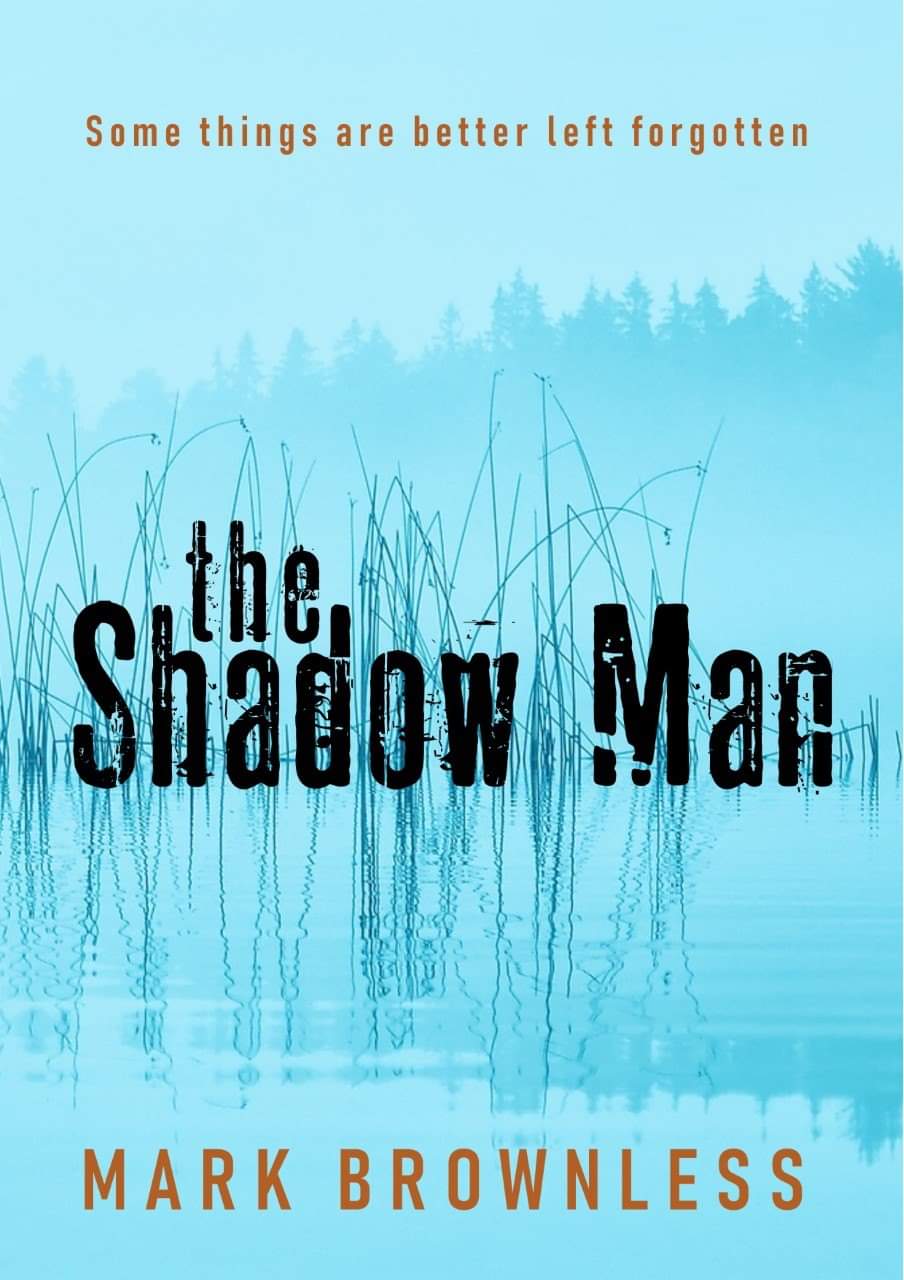
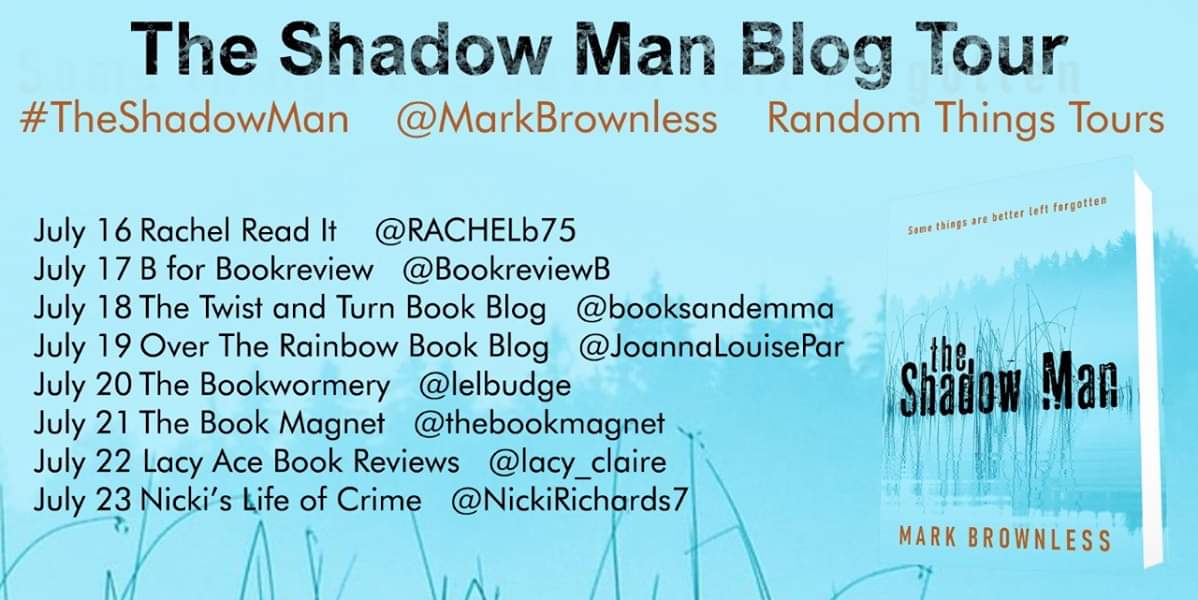
Good morning everyone I’m on the blog tour for The Shadow Man by Mark Brownless today and I have a great guest post to share with you.
The Shadow Man is available in ebook and paperback now, you can purchase your copy of this via the link below.
Before I share my guest post with you here is a little bit about the book.
Book Synopsis:
None of us could remember why we drifted apart – we were always so close at school but then… you know. That was thirty years ago, and I hadn’t thought of my school friends in all that time – it was like I’d been made to forget.
And then the dreams started. Dreams that I knew I’d had before. Horrific dreams of fear and fire and death. Dreams of the Shadow Man, a ghostly urban legend who seemed to hang over my home village like an evil spirit. I’d begun to remember, my memories of back then becoming two-dimensional – a lie to mask what really happened – and I knew we’d have to go back. Back to Janey, because she never left.
What did happen to us back then, and do we really want to know? And what about the supernatural horror lurking in the shadows – could we face the Shadow Man again?
Guest Post:
Blog article – Belonging and extract from The Shadow Man, by Mark Brownless.
It’s all Bruce Sprinsteen’s fault. Because in amongst Darkness on the Edge of Town, The River, Born to Run and all his other huge anthems, one of my favourites is My Hometown. And whilst my hometown was actually a little village, NOT a town as my editor pointed out, it resonated when I was writing my new novel, The Shadow Man. So much so that belonging, and the idea of what it means to call somewhere ‘home’ became a key theme in the book. I spent eighteen years calling that little village my home. It’s just a function of geography of course – your family happen to live in a certain place and it is where you identify as your home from thereon in. I knew most of the people in my village, and a lot of the populace would’ve either known me or my family, or at least recognised me as familiar when my friends and I rode around the place on our bikes.
‘Marauding around as if we owned the place,’ as I say in the book.
And for those 18 years or so it was home.
But it’s like when you move house, leaving all those memories of life and love behind and move into a new place, paint a few rooms, hang some pictures on the walls and set your bedroom furniture out so it looks exactly like your bedroom should. After how long is that ‘home’ – a few weeks, a month or two maybe at the most – and suddenly the old place isn’t home anymore and here is where you belong.
So if home and belonging are purely related to the place and the people, then can we ever claim anywhere as home or say that we belong anywhere? Perhaps it’s only when we become synonymous with somewhere that we can truly say that’s where we belong – like 221B Baker Street and Sherlock Holmes or The Queen and Buck House. So for how long must you live somewhere before it genuinely is synonymous with you – truly your hometown? Thirty years? Fifty maybe? Maybe you need to have generations of your family living there – preferably in the same house – for that place and that town to be associated with you. Your histories becoming intertwined.
That’s my way of introducing this extract from The Shadow Man where the main character, Philippa narrating the story in first person, reflects on this subject, and the vengeful spirit they are investigating.
‘It made me think, what is thirty years in the overall history of a place? I grew up here, spent my formative years here, strutted around as a teenager in my home villagehere because I really did feel like I owned the place, and vied for territory with a gang of boys who were doing the same.
Vied for territory with a gang of boys.
Why did that suddenly spring to mind, and why did it trigger something? My spider sense was tingling just thinking of it. What did it mean? Whatever, it was beyond the reach of my sub-conscious, and a new layer for another day perhaps.
This is my home village. The place that I’d called home – and still did sometimes. But then is it? I wondered if I could actually call it that? I’d lived there for eighteen years, sure, but in the lifespan of a village that had been around for hundreds of years, it was nothing. And that was nearly thirty years ago. After leaving home for good, I only returned periodically, for weekend visits – hardly anyone who lived here now would remember me. There’d be even fewer in another ten years. So now I’m a stranger here, as any of the residents of the new houses that had sprung up around the pond would attest if they were twitching their curtains as I stood outside a house I used to know, eyeing me warily until I moved on or drove away.
It’s like I’d never existed.
No legacy here, no history, no nothing.
I was a blip in the timeline, a minor biological load and then gone. Could anyone truly regard a place as their home? Or were we all just passing through? I suppose that if generations of your family had lived somewhere, and had become entrenched within the folklore – the story of the place and the family becoming completely entwined – then maybe that could be regarded as your home.
And how long would that last when you and your kin were gone? A generation? Two?
But what if your attachment to a place was so strong, through a story, an act or an injustice, that you couldn’t leave. That If the bond was so indefatigable that you found a way to exist beyond your bag of watery cells, to transcend the human condition and sidestep death itself – your memory and your spirit intertwining to keep you here forever. What if that was what we were up against.?’
So in the book, the idea is that The Shadow Man, a vengeful spirit that hangs over the village has more of a claim to describing the place as their hometown than any of the women in the story who have moved on. In the real world, I suppose, this idea of placing our loyalty to bricks and mortar is misplaced when, in fact, we don’t belong anywhere at all, only to each other.
About The Author:
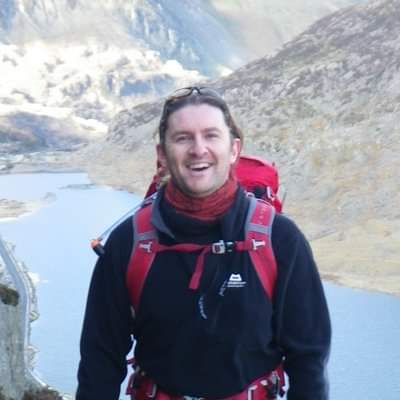
Mark Brownless lives and works in Carmarthen, West Wales. He has been putting ideas on paper for some years now but only when the idea for THE HAND OF AN ANGEL came to him in the autumn of 2015 did he know he might be able to write a book. Mark likes to write about ordinary people being placed in extraordinary circumstances, is fascinated by unexplained phenomena, and enjoys merging thriller, science fiction and horror.
Mark’s new novel, The Shadow Man is a terrifying horror thriller imagining what would happen if you found out the memories of your childhood were untrue, and that something sinister was lurking behind the facade of your life. Could you face what had happened back then? Could you face The Shadow Man.
Mark is also fascinated by myths and legends such as those of Robin Hood and King Arthur. This has culminated in the release of his short story series, Locksley, a Robin Hood story.

 Over The Rainbow Blog
Thanks for supporting the Blog Tour Jo x
LikeLike